FIFA World Cup Trophy History: Who Owns and Keeps the Original Cup?
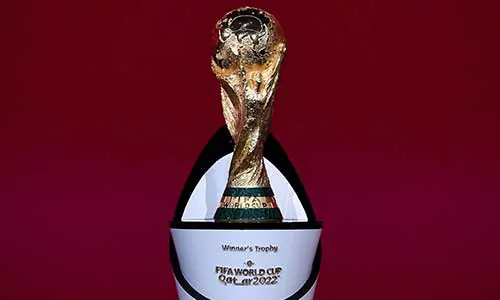
If you are a passionate football fan, you have likely marveled at the golden trophy raised high by the world’s greatest players in moments of ultimate triumph. However, have you ever wondered about the true FIFA World Cup Trophy History: Who Owns and Keeps the Original Cup? Behind the glitz and glamour lies a fascinating tale of narrow escapes, world wars, dramatic heists, and tight security protocols.
Therefore, exploring the FIFA World Cup Trophy History: Who Owns and Keeps the Original Cup? is essential to understand the sheer prestige and the security measures that protect this iconic piece of art. In this comprehensive guide, we will dive deep into the origins of the world’s most recognizable sports prize, comparing the old era with the new, and revealing the strict rules governing its possession.
Before we jump into the details of the FIFA World Cup Trophy History: Who Owns and Keeps the Original Cup?, let’s take a quick look at the main topics we will cover in this guide.
Table of Contents
- 1. The Inception of Glory: Jules Rimet Era
- 2. The Dramatic Thefts that Shaped History
- 3. Gazzaniga’s Creation: A Turning Point
- 4. The Definitive Rules of Ownership and Custody
- 5. The Strict Touching Protocols
- 6. Jules Rimet vs. Modern Trophy Comparison
- 7. Frequently Asked Questions (FAQ)
- 8. Summary and Final Thoughts
The Inception of Glory: Jules Rimet Era in the FIFA World Cup Trophy History: Who Owns and Keeps the Original Cup?
To begin with, any deep dive into the FIFA World Cup Trophy History: Who Owns and Keeps the Original Cup? must start with the legendary Jules Rimet Trophy, which was used from the tournament’s debut in 1930 until 1970. Originally, the cup was not known by this name; instead, it was simply called “Victory.”
Subsequently, in 1946, the trophy was renamed to honor Jules Rimet, the visionary president of FIFA who helped create the tournament. The design was crafted by the talented French sculptor Abel Lafleur. It featured Nike, the ancient Greek goddess of victory, holding an octagonal chalice above her head.
In addition, this era established the initial rules of possession, which shaped the overall narrative of the FIFA World Cup Trophy History: Who Owns and Keeps the Original Cup?. The statuette was made of gold-plated sterling silver and stood on a beautiful blue lapis lazuli base, standing approximately 35 centimeters high and weighing 3.8 kilograms.
During the dark years of World War II, the trophy was placed in extreme jeopardy. Because Italy had won the 1938 tournament, the physical cup was stored in a bank vault in Rome. However, as the conflict intensified, sports officials feared that the occupying forces would seize and melt down the historic prize.
Consequently, the vice-president of FIFA and president of the Italian Football Federation, Ottorino Barassi, took matters into his own hands. He secretly withdrew the trophy from the bank. Subsequently, he hid it in a simple shoe box under his bed for several years to prevent it from falling into Nazi hands.
Ultimately, Barassi’s brave act saved the cup, allowing the tournament to resume in 1950 in Brazil. Nevertheless, this was only the first of many thrilling adventures that the original trophy would experience over the coming decades.
The Dramatic Thefts that Shaped FIFA World Cup Trophy History: Who Owns and Keeps the Original Cup?
Subsequently, the safety of football’s ultimate prize became a major concern, marking one of the most chaotic chapters in the FIFA World Cup Trophy History: Who Owns and Keeps the Original Cup?. In 1966, England was preparing to host the tournament, and the trophy was placed on public display at Westminster’s Methodist Central Hall.
Despite round-the-clock security, thieves managed to slip past the guards and steal the Jules Rimet Trophy. The theft caused massive national embarrassment for the English Football Association, triggering an intense, high-profile investigation by Scotland Yard.
Fortunately, the story took an unexpected and heartwarming turn. Just seven days after the heist, a mixed-breed dog named Pickles was being walked by his owner, David Corbett, in South London. Pickles sniffed out a strange package wrapped in newspaper under a garden hedge.
Inside the package was the intact Jules Rimet Trophy. As a result, Pickles became an instant international celebrity. He was even invited to the official team banquet to celebrate England’s historic 1966 victory, cementing his place in football folklore.
In 1970, Brazil won their third World Cup title in Mexico. Under the rules of that specific era, any country that won the tournament three times was granted permanent ownership of the original trophy. Consequently, when Brazil was awarded the trophy permanently, it changed the course of the FIFA World Cup Trophy History: Who Owns and Keeps the Original Cup? forever.
The Brazilian Football Confederation (CBF) proudly placed the original cup on display in their headquarters in Rio de Janeiro, secured behind bulletproof glass. However, they made a critical error by constructing the back of the display cabinet out of wood.
In December 1983, thieves exploited this design flaw. They used a crowbar to pry open the wooden backing and stole the Jules Rimet Trophy. Sadly, despite a massive police hunt, the original trophy was never seen again.
Most historians and security experts believe that the thieves quickly melted the sterling silver and gold plating into easily sellable gold bars. To this day, the true whereabouts of the original Jules Rimet remains one of the greatest mysteries in sports history, forcing the CBF to display a high-quality replica instead.
Gazzaniga’s Creation: A Turning Point in FIFA World Cup Trophy History: Who Owns and Keeps the Original Cup?
Because Brazil had secured permanent ownership of the Jules Rimet Trophy in 1970, FIFA had to commission a brand-new design for the 1974 tournament. They launched a global competition, receiving fifty-three unique design submissions from artists representing seven countries.
Ultimately, the submission by Italian sculptor Silvio Gazzaniga was selected. Working for the renowned GDE Bertoni company in Milan, Gazzaniga designed a trophy that differed dramatically from its predecessor. Instead of depicting a goddess, the new design featured two human figures rising from the base, reaching up to support the Earth.
Moreover, the transition from the old silver statuette to the solid gold masterpiece is a vital milestone in the FIFA World Cup Trophy History: Who Owns and Keeps the Original Cup?. Gazzaniga explained that the lines springing out from the base symbolized the dynamism and excitement of athletic effort, while the sphere represented the world itself, mirroring a football.
This modern icon is a marvel of craftsmanship. It stands 36.8 centimeters high and weighs exactly 6.175 kilograms. Crucially, it is made of 18-karat solid gold, which makes up about 75% of its total weight.
However, many people do not realize that the trophy is actually hollow. If it were made of solid gold all the way through, it would weigh over 70 kilograms. Consequently, it would be far too heavy for winning players to lift comfortably over their heads during celebrations.
In addition to the gold, the base of the modern trophy features two circular bands of green malachite. This semi-precious stone adds a beautiful contrast to the shining gold and represents the green of the football pitch. GDE Bertoni in Italy still maintains the responsibility of polishing and restoring the trophy before every major final.
As a result, Gazzaniga’s design redefined how the world views the tournament’s prize, cementing its status in the FIFA World Cup Trophy History: Who Owns and Keeps the Original Cup?. Today, its material value is estimated at hundreds of thousands of dollars, while its historical and sentimental value is genuinely priceless.
The Definitive Rules of Ownership: FIFA World Cup Trophy History: Who Owns and Keeps the Original Cup?
When analyzing the modern regulations, the question of possession is central to the FIFA World Cup Trophy History: Who Owns and Keeps the Original Cup?. Following the tragic loss of the Jules Rimet Trophy in 1983, FIFA decided to completely overhaul their custody policies.
Under the current strict rules, no country is ever allowed to keep the authentic, solid-gold trophy permanently. Even if a powerhouse nation like Germany, Italy, or Brazil wins the tournament multiple times, the original cup remains under the tight custody of FIFA.
Therefore, in the context of the FIFA World Cup Trophy History: Who Owns and Keeps the Original Cup?, the modern rule remains absolutely rigid. The original trophy lives in the FIFA World Football Museum in Zürich, Switzerland, and only leaves its secure vault for official events.
These official events are highly controlled. Specifically, the real trophy is only transported for the global FIFA World Cup Trophy Tour, the group stage draw, and the opening and final matches of the tournament. The transport is handled by specialized security teams and kept in bulletproof cases.
What happens on the pitch during the final match? After the final whistle, the original trophy is brought onto the field. The winning team gets to experience the magical moment of lifting the authentic solid gold cup, celebrating with it under the rain of confetti.
However, as soon as the pitch celebrations conclude, FIFA officials retrieve the original trophy. Behind closed doors, the winning association is presented with an official replica to take home. This replica is known as the “FIFA World Cup Winner’s Trophy.”
Subsequently, the replica is what the public sees when the winning team parades through their home country. The replica is made of gold-plated bronze and is marked with the year and name of the winning nation, serving as a permanent keepsake for their national museum.
Ultimately, this clever compromise ensures the safety of the precious asset while preserving the tradition of the FIFA World Cup Trophy History: Who Owns and Keeps the Original Cup?. It protects the original from theft and damage, ensuring it will endure for future generations of football lovers.
The Strict Touching Protocols of the Solid Gold Trophy — FIFA World Cup Trophy History: Who Owns and Keeps the Original Cup?
Because the authentic trophy is one of the most valuable and protected objects in modern sports, FIFA enforces a very strict hands-off policy. This rule is designed to maintain both the physical integrity and the prestigious aura of the cup.
Furthermore, these regulations highlight the sheer exclusivity and security surrounding the prize within the context of the FIFA World Cup Trophy History: Who Owns and Keeps the Original Cup?. Only two specific groups of people are permitted to touch the original trophy with their bare hands:
- World Cup Champions: This includes the players and coaching staff of teams who have won the tournament.
- Heads of State: This includes presidents, prime ministers, and reigning monarchs of sovereign countries.
On the other hand, anyone else who must handle the trophy, such as security personnel, FIFA representatives, or museum curators, is strictly required to wear white protective gloves. This prevents natural skin oils from staining or tarnishing the delicate 18-karat gold and the green malachite bands.
By enforcing this rule, FIFA ensures that touching the cup remains a legendary privilege. It serves as a powerful motivator for players worldwide, knowing that they must earn the right to touch the gold by conquering the footballing world.
Comparing the Two Iconic Eras
To give you a clearer picture of how the ultimate prize has evolved, we have compiled a detailed comparison table. This highlights the structural and rule changes that have occurred throughout the FIFA World Cup Trophy History: Who Owns and Keeps the Original Cup?.
| Feature | Jules Rimet Trophy (1930–1970) | Modern FIFA World Cup Trophy (1974–Present) |
|---|---|---|
| Original Name | “Victory” (Later renamed in 1946) | FIFA World Cup Trophy |
| Designer | Abel Lafleur (France) | Silvio Gazzaniga (Italy) |
| Materials Used | Gold-plated sterling silver and lapis lazuli | 18-karat solid gold (hollow) and malachite |
| Height & Weight | 35 cm / 3.8 kg | 36.8 cm / 6.175 kg |
| Permanent Keepsake Rule | Granted permanently to three-time winners (Brazil) | Never given permanently; winners receive replicas |
| Current Status | Stolen in 1983; presumed melted down | Safely preserved at the FIFA Museum in Zurich |
As illustrated by the table, the rules and structural composition have shifted drastically. These adjustments were primarily made to ensure maximum security while preserving the beautiful traditions of the tournament.
The Hidden Story of the Trophy’s Engravings
In addition to its beautiful design, the underside of the modern trophy contains a secret history. Every four years, a professional engraver carefully adds the name of the winning country and the year of their triumph.
Interestingly, these names are engraved in the local language of the winning nation. For example, Spain’s 2010 victory is written as “2010 España,” while Germany’s 2014 victory is inscribed as “2014 Deutschland.” This personalized touch honors the heritage of the champions.
However, there is a physical limit to this tradition. The circular plate at the bottom of the trophy has limited space. Experts estimate that there is only enough room to engrave the winners’ names up until the 2038 World Cup edition.
Consequently, FIFA will face an interesting decision in the future. They may choose to expand the base, replace the bottom plate, or commission an entirely new trophy design. This adds an exciting layer of anticipation to the future of the sport.
For more official details about the tournament and its history, you can explore the official FIFA website. Additionally, if you are interested in a deeper historical analysis of the competition’s impact on global culture, check out the comprehensive sports archives on Encyclopaedia Britannica.
Frequently Asked Questions Regarding FIFA World Cup Trophy History: Who Owns and Keeps the Original Cup?
To help clarify any remaining questions about the FIFA World Cup Trophy History: Who Owns and Keeps the Original Cup?, we have answered the most common inquiries below. These concise answers aim to resolve the most frequent debates among football fans.
Q1: Does the World Cup winner keep the original trophy?
A: No, the winning nation does not get to keep the original trophy. They lift the authentic solid-gold cup during the celebration, but they are subsequently given a gold-plated bronze replica to keep permanently. The original trophy is returned to FIFA’s headquarters in Zurich.
Q2: Why was the original Jules Rimet Trophy given to Brazil permanently?
A: Under the original FIFA rules established by Jules Rimet, any country that won the World Cup three times was allowed to keep the trophy permanently. Brazil achieved this feat in 1970, prompting FIFA to commission a brand-new trophy for 1974.
Q3: Was the original World Cup trophy ever found after it was stolen in 1983?
A: Sadly, no. The original Jules Rimet Trophy, stolen from Rio de Janeiro in 1983, was never recovered. It is widely believed to have been melted down by the thieves. The Brazilian Football Confederation subsequently commissioned a high-quality replica to display in its place.
Q4: Who is officially allowed to touch the real FIFA World Cup Trophy?
A: Only World Cup winners (players and coaches) and Heads of State are officially permitted to touch the original solid-gold trophy with their bare hands. Anyone else must wear protective white gloves to prevent damage to the gold.
Q5: What is the modern FIFA World Cup Trophy made of?
A: The modern trophy is made of 6.175 kilograms of 18-karat solid gold (which is hollow inside) and features two circular bands of green malachite on its base. This combination makes it both incredibly beautiful and highly valuable.
Q6: Where is the original FIFA World Cup Trophy kept?
A: The original trophy is kept in the FIFA World Football Museum in Zürich, Switzerland. It only leaves the museum for the official Trophy Tour, the World Cup draw, and the opening and final matches of the tournament.
Conclusion and Final Thoughts
In conclusion, tracing the FIFA World Cup Trophy History: Who Owns and Keeps the Original Cup? reveals a rich narrative of artistic design, dramatic heists, and strict modern security. From the shoe box under Ottorino Barassi’s bed to the high-security vault in Zurich, this golden icon represents the pinnacle of sporting passion.
While players dream of lifting the solid gold original, they must settle for taking home the gold-plated replica. This policy successfully balances the preservation of a priceless historical artifact with the celebration of football’s ultimate achievement.
What do you think is the most exciting era in the FIFA World Cup Trophy History: Who Owns and Keeps the Original Cup?? Do you think FIFA should ever allow a country to keep the modern cup permanently? Let us know in the comments below, and don’t forget to share this article with your fellow football fans!